Low Stakes Roulette Online: A Calmer Spin for Smaller Budgets
Online roulette does not have to mean chasing large table limits or burning through a session bankroll before the evening is over. For players who prefer measured play, low stakes roulette online offers a slower pace, smaller unit sizes, and a table experience that feels closer to a proper night at the club than a high-pressure sprint. That shift in priorities matters more than flashy bonus claims, especially when the game itself is what you actually return to round after round.
What Low Stakes Tables Are Built Around
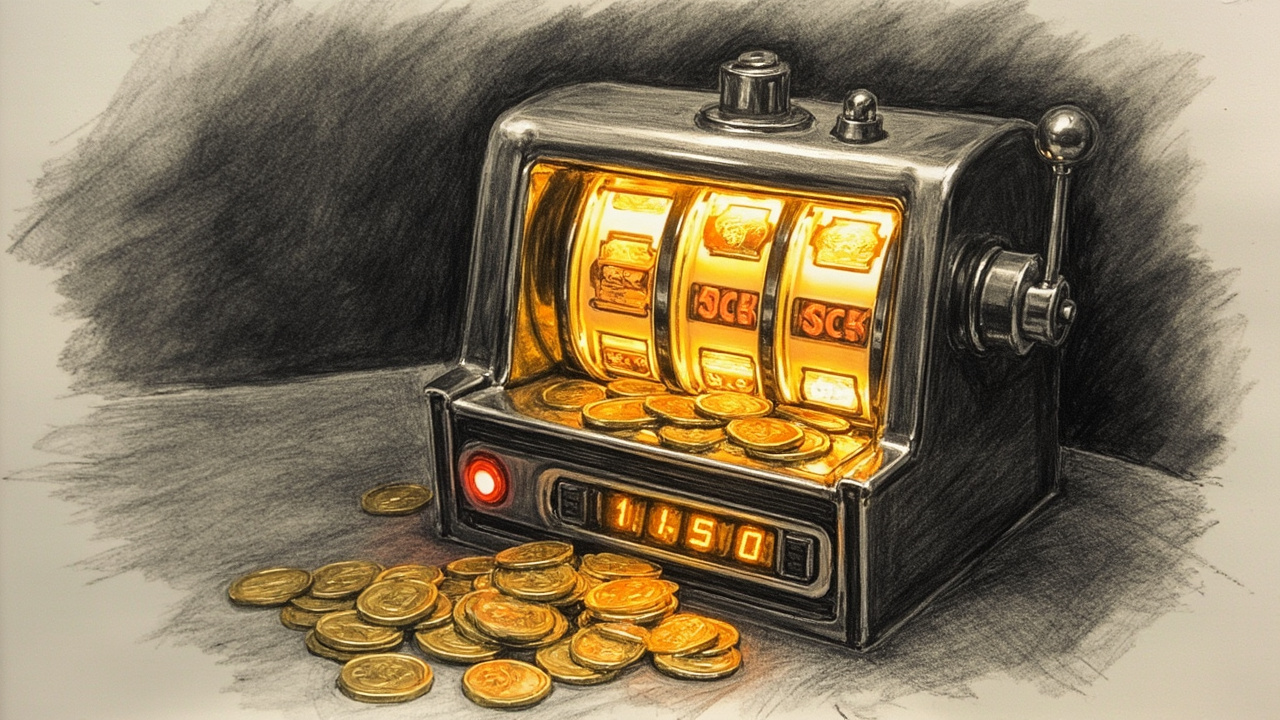
The core idea is straightforward: smaller minimum bets, a layout that remains readable on a phone, and a session flow that does not punish a modest bankroll every time the ball misses your number. A well-built low stakes table keeps the same classic rules you would expect at a higher limit, while trimming the financial pressure that can turn a relaxed session into a tense one. That matters because the mathematics of roulette do not change with the bet size, but the way a player experiences variance absolutely does. When I design or audit a table, I always check whether the lower stakes feel like a genuine alternative or just a thinner version of the same product, because the difference shows up in how long a session holds together. A decent low stakes offering keeps the betting grid clean, the audio cues restrained, and the spin rhythm steady enough that you can actually follow the table instead of reacting to it. It also helps when the operator treats smaller limits as a real product line rather than an afterthought tucked behind the high-limit rooms. That is where a brand like lucky dreams casino australia for top games earns attention, because the way a site groups its roulette options tells you a lot about whether smaller-stakes play is a priority or just a placeholder. For an Australian player, the appeal is often simple: a table you can sit down with for a quiet arvo, without needing a large bankroll on the table before the first spin.
How The Table Experience Holds Up
Pace, limits, and the feel of the spin
On a genuinely thought-out low stakes table, the minimum bets sit at a level that lets a player survive a normal run of outs without the session collapsing early. That is not about softening the house edge, which stays fixed by the rules of the wheel, but about giving variance room to breathe. I have seen tables where the lower limits are paired with cluttered visuals and rushed animations, and those tend to wear players down faster than the maths alone would predict. The better versions keep the layout uncluttered, the chip values obvious, and the bet placement clear even after a few drinks or a long day. They also tend to present European-style rules where the single zero is part of the design rather than a hidden detail, because that choice affects every session even when the stakes are small. The point is not to dress up the wheel; it is to make the spin itself easy to read and easy to pace. A player should be able to tell at a glance what is on the table, what has just been paid, and how much room is left in the session bankroll without doing mental gymnastics. lucky dreams casino australia for top games
Practical details that shape a session
The smaller details matter just as much once the table is open. Registration should be quick without feeling like a hurdle, and the payment options need to make sense for the amounts actually being staked. When the limits are low, it is frustrating to navigate a clunky deposit flow or wait on a withdrawal that feels disproportionate to the size of the play. Support also counts more than people expect, because a small-stakes session is often a casual one, and a prompt answer to a simple question can be the difference between staying at the table and closing the tab. A solid loyalty structure can help too, provided it rewards frequency and patience rather than pushing players toward larger bets than they intended. The best low stakes rooms keep the whole experience consistent from the first deposit to the last spin, so the player is reacting to the game instead of wrestling with the interface. That consistency is what turns a small-limit table from a temporary stop into something worth returning to.
Why This Fits Australian Players
Australian players tend to value a table that feels easy to settle into, and low stakes roulette online lines up with that preference without pretending to be something it is not. There is a long local history of organised two-up “schools” once flourishing illegally in Australian mining towns and cities, and that background says something about how strongly people gravitate toward simple table games played at a pace they can control. The same instinct shows up online when the stakes are modest and the session is about staying in the game rather than forcing a result. It is worth remembering, too, that regulators scrutinised junkets over money-laughering risks, which is one reason clearer, more transparent rooms matter now more than they did in the era of backroom deals and informal high-roller networks. A good low stakes room keeps the experience legible: the rules are visible, the limits are clear, and the player can judge for themselves whether the pace suits the night. That is the real fit for a casual Australian session, where the goal is often a bit of play, a bit of patience, and no surprises in the fine print.
| Feature | Low stakes room done well | Low stakes room done poorly |
|---|---|---|
| Minimum bet | Small enough to extend a session | Barely different from higher-limit tables |
| Layout clarity | Clean grid, obvious chip values | Cluttered visuals, hard to read at a glance |
| Rules transparency | Single-zero structure stated plainly | Key rules buried or easy to miss |
| Payment flow | Suited to modest deposits and withdrawals | Overly complicated for the amounts played |
| Mendukung | Prompt, practical answers | Slow or unhelpful when a simple question comes up |
The verdict is that low stakes roulette online works best when it is treated as a real session style rather than a compromise. The tables that hold up are the ones that keep the rules clear, the pace steady, and the bankroll pressure low enough to let variance do what it always does without turning the evening into a scramble. If that sounds like the kind of room you have been playing in, or one you reckon still has room to improve, drop a comment below or send the article to a mate who is always hunting for a calmer table.